Zastosowania ceramiki technicznej
Zastosowania ceramiki technicznej
Ceramika techniczna jest szeroko stosowana w zastosowaniach przemysłowych, w których konwencjonalne metale i tworzywa sztuczne mogą ulec uszkodzeniu z powodu ciepła, zużycia, korozji, wymagań elektrycznych lub niestabilności wymiarowej. W Mascera dostarczamy niestandardowe elementy ceramiczne do szerokiej gamy branż, pomagając klientom zwiększyć niezawodność, wydłużyć żywotność i zoptymalizować wydajność w wymagających warunkach pracy.

Dlaczego ceramika techniczna jest stosowana w zastosowaniach przemysłowych
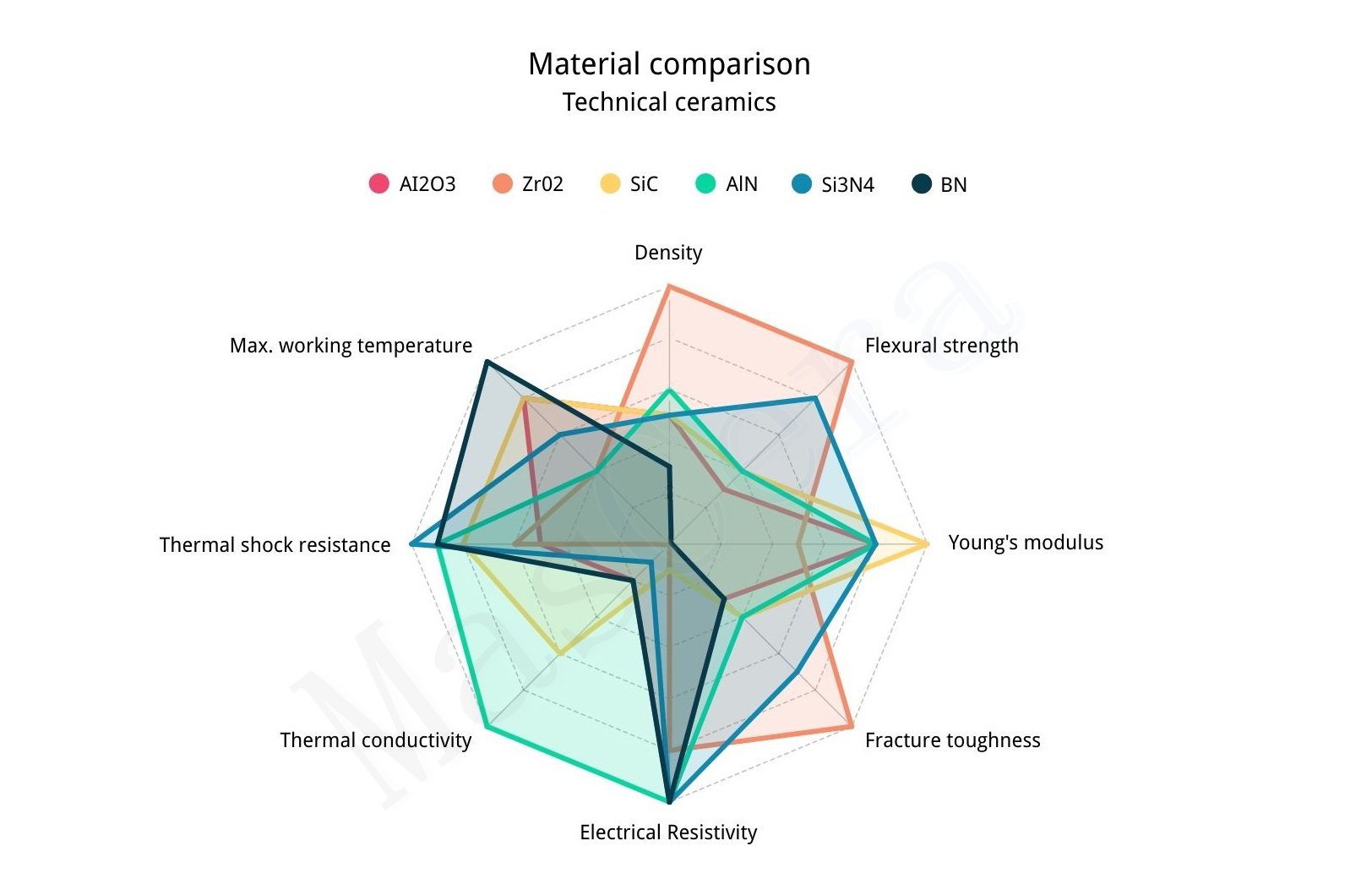
Ceramika techniczna jest coraz częściej wybierana do zastosowań przemysłowych, ponieważ oferuje unikalne połączenie właściwości, które trudno osiągnąć w przypadku metali, polimerów czy tradycyjnej ceramiki. W zależności od gatunku materiału, ceramika techniczna może zapewniać doskonałą izolację elektryczną, odporność na wysokie temperatury, zużycie, korozję, wysoką twardość, stabilność wymiarową, a w niektórych przypadkach również wysoką przewodność cieplną. Te zalety sprawiają, że nadaje się ona do zastosowań wymagających wysokiego napięcia, wysokiej temperatury, mediów ściernych, agresywnych chemikaliów, precyzyjnego ruchu lub długotrwałej niezawodności.
Mascera produkuje niestandardowe elementy ceramiczne z różnych zaawansowanych materiałów ceramicznych, w tym ceramiki glinowej, ceramiki cyrkonowej, ceramiki azotku glinu, ceramiki azotku krzemu, ceramiki węglika krzemu i ceramiki azotku boru, oferując możliwość wykonania elementów o niestandardowych wymiarach, precyzyjnej obróbce i doboru materiałów pod kątem danego zastosowania.
Poznaj nasze zastosowania ceramiczne
Poniżej przedstawiono kilka kluczowych zastosowań przemysłowych, w których powszechnie wykorzystuje się elementy ceramiki technicznej. Każde zastosowanie może obejmować różne materiały ceramiczne, formy produktów i priorytety wydajnościowe, w zależności od środowiska pracy.
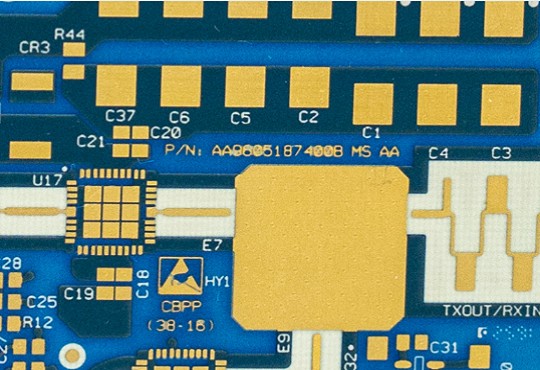
Elektronika mocy
Elementy z ceramiki technicznej są wykorzystywane w elektronice mocy do izolacji elektrycznej, zarządzania temperaturą i tworzenia obudów o wysokiej niezawodności. Typowe zastosowania obejmują podłoża ceramiczne, podkładki izolacyjne oraz konstrukcyjne elementy ceramiczne modułów mocy, półprzewodników i podzespołów elektronicznych.
Dowiedz się więcejs>
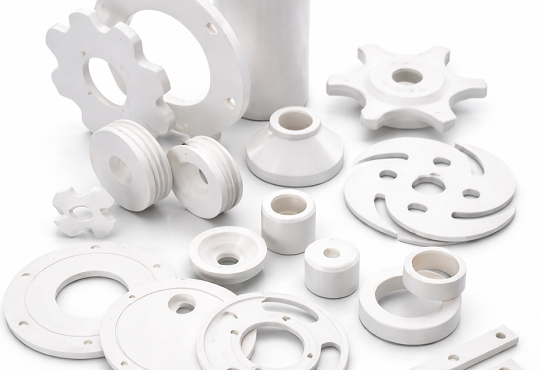
Komponenty odporne na zużycie
W środowiskach ściernych i wymagających mechanicznie, elementy ceramiczne mogą znacznie wydłużyć żywotność dzięki swojej wysokiej twardości, doskonałej odporności na zużycie i stabilnym wymiarom. Typowe produkty obejmują ceramiczne rolki, tuleje, tuleje, dysze, ostrza i inne niestandardowe części eksploatacyjne.
Dowiedz się więcej s>
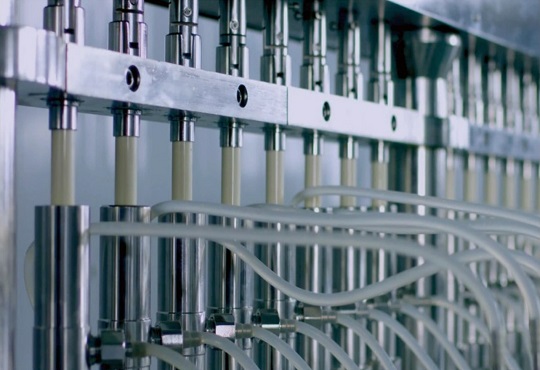
Pompy napełniające i obsługa płynów
Ceramiczne tłoki, tuleje pomp, gniazda zaworów i elementy uszczelniające są szeroko stosowane w systemach transportu cieczy, które wymagają precyzyjnego dozowania, odporności na zużycie, gładkich powierzchni i stabilności chemicznej. Elementy te są powszechnie spotykane w pompach napełniających, pompach dozujących i urządzeniach do transportu cieczy.
Dowiedz się więcej s>
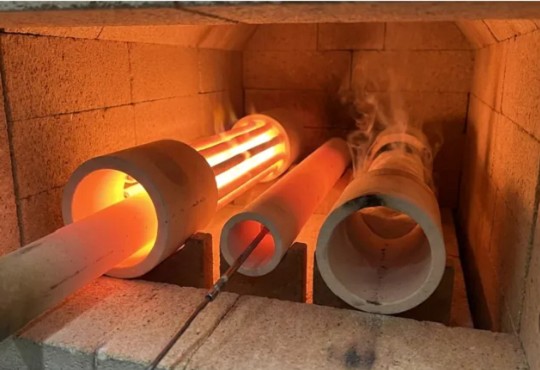
Piec wysokotemperaturowy
Ceramika techniczna jest szeroko stosowana w systemach pieców i urządzeniach do obróbki cieplnej, gdzie wymagana jest odporność na wysokie temperatury, odporność na szok termiczny oraz izolacja elektryczna. Do popularnych produktów należą rurki ceramiczne, osłony termopar, elementy izolacyjne oraz elementy ceramiczne związane z ogrzewaniem.
Dowiedz się więcej s>
Zalecane materiały ceramiczne według zastosowania
Różne zastosowania wymagają różnych kombinacji parametrów. Poniższa tabela przedstawia typowe wymagania i typowe opcje materiałów ceramicznych stosowanych w poszczególnych obszarach zastosowań.
Aplikacja | Wspólne wymagania | Zalecane materiały |
Elektronika mocy | Izolacja elektryczna, przewodnictwo cieplne, niezawodność, stabilność wymiarowa | Tlenek glinu, azotek glinu, azotek krzemu |
Sprzęt półprzewodnikowy | Precyzja, izolacja, odporność na zużycie, wysoka czystość, zgodność z czystym środowiskiem | Tlenek glinu, węglik krzemu, azotek glinu |
Pompy napełniające i obsługa płynów | Odporność na zużycie, gładka powierzchnia, stabilność chemiczna, precyzyjne uszczelnienie | Tlenek cyrkonu, tlenek glinu |
Piec wysokotemperaturowy | Odporność na ciepło, odporność na szok termiczny, izolacja, stabilność chemiczna w podwyższonej temperaturze | Tlenek glinu, azotek krzemu, węglik krzemu, |
Komponenty odporne na zużycie | Wysoka twardość, odporność na ścieranie, stabilność wymiarowa, długa żywotność | Tlenek glinu, cyrkonia, azotek krzemu, węglik krzemu |
Typowe elementy ceramiczne stosowane w tych zastosowaniach
Mascera produkuje szeroką gamę niestandardowych elementów z ceramiki technicznej do różnych zastosowań przemysłowych. W zależności od konstrukcji i warunków pracy, powszechnie stosuje się następujące rodzaje produktów:
Podłoża ceramiczne
Rurki ceramiczne
Rury ochronne termopar
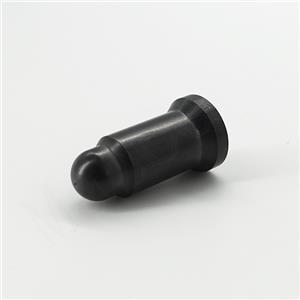
Ceramiczne tłoki
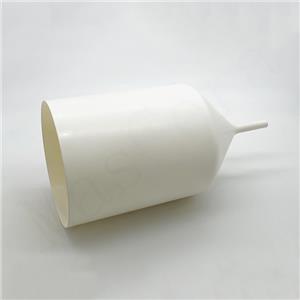
Ceramiczne tuleje pompowe
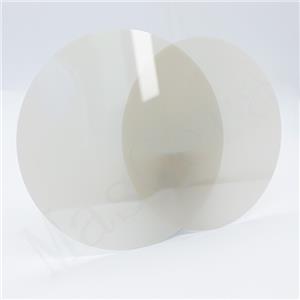
Podkładki ceramiczne / Wafle ceramiczne
Izolatory ceramiczne
Rolki ceramiczne
Tuleje ceramiczne
Dysze ceramiczne
Ostrza ceramiczne
Niestandardowe elementy konstrukcyjne ceramiczne

Produkcja ceramiki technicznej na zamówienie dla Twojego zastosowania
Każda aplikacja ma inne priorytety projektowe, takie jak dobór materiałów, tolerancja wymiarowa, wykończenie powierzchni, struktura montażu czy środowisko pracy. Z tego powodu wiele przemysłowych komponentów ceramicznych jest wykonywanych na zamówienie, a nie standaryzowanych.
Mascera wspiera produkcję niestandardowych elementów ceramicznych technicznych, od prototypów po produkcję seryjną, dysponując wewnętrznymi możliwościami formowania, spiekania, precyzyjnej obróbki i kontroli jakości.
Niestandardowe kształty i wymiary na podstawie rysunków lub próbek
Precyzyjne szlifowanie, polerowanie, wiercenie i obróbka skrawaniem
Ścisłe wsparcie tolerancji dla krytycznych funkcji
Dobór materiałów w zależności od warunków pracy
Rozwój prototypów i produkcja masowa
Wykończenie powierzchni i kontrola wymiarowa
Wsparcie dla ceramiki metalizowanej i zespołów ceramicznych
Powiązane zasoby techniczne
Dowiedz się więcej o technicznych materiałach ceramicznych, ich właściwościach i kwestiach projektowych, czytając nasze artykuły techniczne i poradniki dotyczące zastosowań.
ciiiiiiiiiiiiiiiiiCzym jest ceramika techniczna?
ciiiiiiiiiiiiiiiii Wszystko, co musisz wiedzieć o ceramice glinowej
ciiiiiiiiiiiiiiiii Właściwości mechaniczne ceramiki technicznej
ciiiiiiiiiiiiiiiii Właściwości elektryczne ceramiki technicznej
ciiiiiiiiiiiiiiiii Ceramika techniczna kontra ceramika tradycyjna
Potrzebujesz pomocy w wyborze odpowiedniej ceramiki do swojego zastosowania?
Jeśli oceniasz materiały ceramiczne lub poszukujesz niestandardowego komponentu ceramicznego do swojego sprzętu, możesz swobodnie udostępnić nam swoje rysunki lub szczegóły zastosowania.
Aby polecić odpowiedni materiał ceramiczny i rozwiązanie produkcyjne, zazwyczaj sugerujemy podanie następujących informacji:
Temperatura pracy
Medium operacyjne lub chemikalia
Obciążenie mechaniczne lub stan zużycia
Wymagania elektryczne
Wymagania dotyczące tolerancji i wykończenia powierzchni
Metoda montażu lub materiały łączące
Nasz zespół inżynierów i sprzedawców może pomóc Ci w ocenie zastosowania i zalecić odpowiednie materiały ceramiczne, metody produkcji i dopuszczalne tolerancje.